The TurboGrafx-16 HuCard Architecture: The Contact-Pad Dilemma
A technical analysis of the HuCard (IC Card) format used by the PC Engine and TurboGrafx-16. Learn why these 'credit card' games are the ultimate archival format.
Quick Answer
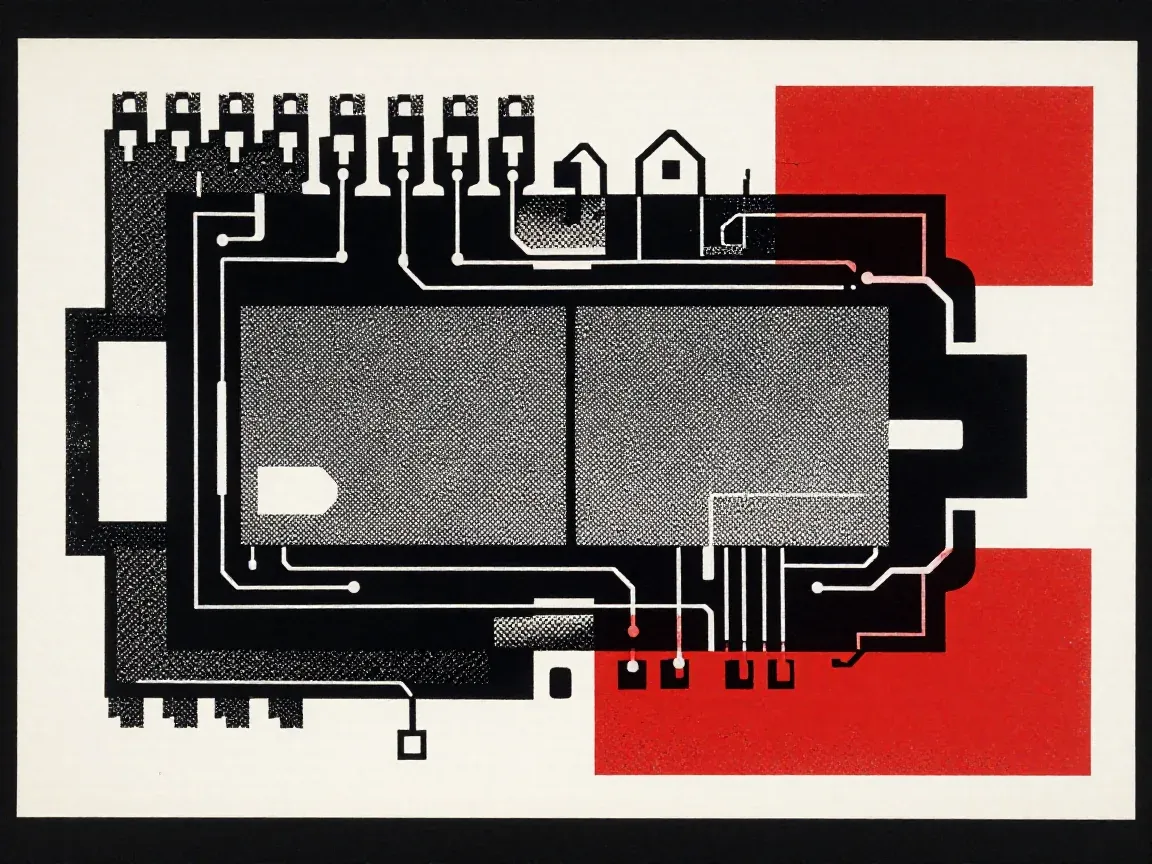
The HuCard (or IC Card) used by the PC Engine and TurboGrafx-16 is a solid-state ROM card that lacks a plastic shell, exposing the PCB directly. While this makes them highly durable compared to cartridges with moving parts or save batteries, the exposed copper contact pads are highly susceptible to oxidation and 'surface-level' scratches that can break the electrical circuit.
In the late 80s, while Nintendo and Sega were shipping bulky plastic cartridges, NEC and Hudson Soft released a format that looked like a vision of the future: the HuCard.
At roughly the size of a credit card, the HuCard was the most efficient archival storage format of the 8-bit and 16-bit eras. But its design also introduced a unique set of technical challenges that we see daily at the NOSTOS techn bench.
What Is Inside a HuCard?
A HuCard is essentially a slim PCB (Printed Circuit Board) encapsulated in a thin layer of resin. The ROM chip is integrated directly into the card’s middle layer.
The Advantage: Solid-State Simplicity
Unlike an NES or SNES cartridge, a HuCard has no “pins” that can bend. There is no internal cavity where dust and moisture can collect. This makes them incredibly resilient to the kind of physical trauma that ruins larger cartridges.
Why Are HuCard Contacts So Vulnerable?
The primary failure point of a HuCard is its exposed contact pads. Because there is no shell protecting the copper, even a single deep scratch on the gold-plated pads can sever a data trace.
- Oxidation: In the humid climate of Gwinnett County, copper contacts can develop a layer of oxidation that prevents the PC Engine from reading the card.
- The “Blowing” Myth: Just like with cartridges, blowing on a HuCard introduces moisture that accelerates corrosion.
How Do You Clean HuCard Contacts?
At NOSTOS, we strictly prohibit the use of “contact cleaners” or “brasso” on HuCards. These chemicals can seep into the resin layers and cause permanent delamination.
- Isopropyl Alcohol (99%): Used sparingly on a lint-free swap to remove surface dirt.
- Chemical DeoxIT: We use a specialized non-abrasive chemical to break down oxidation without removing the gold plating.
- The Sleeve Standard: A HuCard should never be stored outside of its vinyl sleeve. Direct contact with plastic storage bins can trigger a PVC hazard reaction that fogs the card’s finish.
HuCard vs. Standard Cartridge
| Feature | HuCard (PC Engine) | Standard Cart (SNES/Genesis) |
|---|---|---|
| Physical Depth | ~2mm | ~20mm |
| Contact Material | Gold-Plated Copper | Nickel or Tin-Plated Pins |
| Save Retention | External (BRAM/CD) | Internal Save Battery |
| Durability | High (Internal) / Low (Surface) | Low (Internal) / High (Surface) |
Hunting for TurboGrafx Grails? Our collector’s guide for Georgia enthusiasts covers the best ways to build a HuCard archive. Visit NOSTOS in Duluth to see our verified and cleaned selection of PC Engine imports.
Who wrote this
NOSTOS, a retro game shop in Duluth
We buy, sell, and repair retro games, consoles, and vintage apparel out of a storefront on Buford Highway. Every cartridge is opened and checked against known-good boards before it goes out, which is why these guides exist at all.
3940 Buford Hwy Suite B110, Duluth, GA 30096. Open Tuesday–Sunday, 11 AM–7 PM. Plan a visit or see the trade-in rates before you decide.